
The Fall of Otawalle Remembered
The Deer KingThe ancient kingdom’s response to Black Wolf Fever becomes both a warning about epidemic danger and a source of present political memory.
increasing Bearing strength in each event
 decreasing
Bearing strength in each eventdecreasingBlack Shadows Arrive
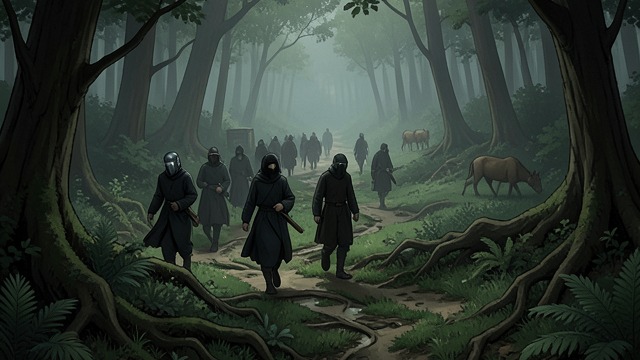
The Disease Enters History
Animals and trade
Black wolves brought from the mountains become prized, traded, and sometimes bred with dogs. A disease associated with bites first appears among those handling them.
A limited warning fails
A ban on the trade briefly seems to end the illness, but cases later return in a more destructive form. Human attempts to control the animals have already altered the disease’s reach.
The Grand Exodus
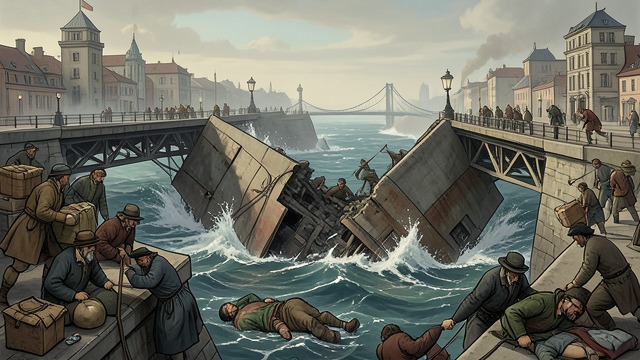
Abandoning the Capital
A terrible calculation
King Takaluhalu orders the uninfected to leave, while the sick and those who will not depart remain behind. The bridge is destroyed to isolate the city.
Survival through loss
The decision saves some people while abandoning many others. The founding of Aquafa carries this moral wound, demonstrating the cost of treating populations as a problem to be contained.
History Shapes Present Fear
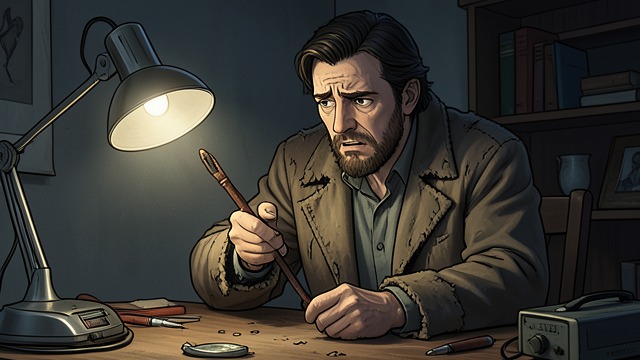
A Past That Will Not Stay Past
The physician’s inheritance
Hohsalle knows that Black Wolf Fever helped destroy his people’s kingdom. The new outbreak therefore threatens more than individual patients; it recalls a civilizational collapse.
Warning without fatalism
He uses history to argue for preparation, not surrender. The old catastrophe supports caution, while his work insists that knowledge and treatment can still change what comes next.
About two hundred and fifty years before the present
During the ancient epidemic
During Hohsalle’s investigation
